 The outer game – when the ground beneath decisions keeps shifting.
In my last article (part 1), I wrote about the inner game of leadership, the doubt leaders carry, the pressure to appear certain, and the quiet loneliness that can come with senior roles.
Several people reached out afterwards and said something interesting: “Yes, but the environment doesn’t make it easy right now either.”
They’re right.
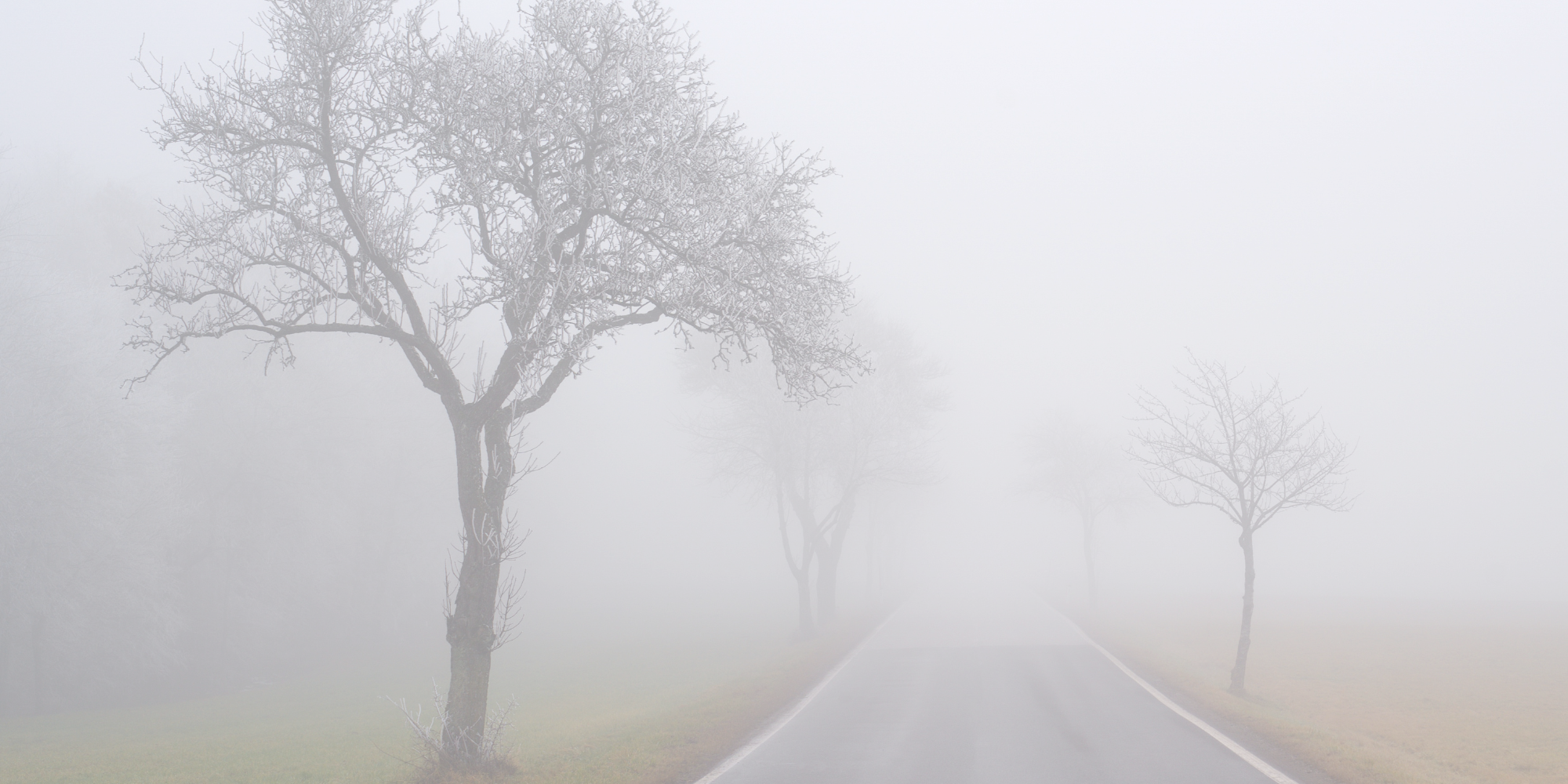
A lot of the pressure leaders feel internally doesn’t just come from the job itself. It comes from the environment around it. The world organisations are operating in has become harder to read, harder to predict, and harder to plan around.
Not because everything is collapsing.
But because the ground keeps shifting.
The slow pressure most organisations are adjusting toMost businesses aren’t in crisis. They’re operating. But if you look closely, you can see subtle adjustments happening everywhere.
Hiring slows a little. Investment decisions take longer. Projects get reviewed again before moving ahead. Restructures appear under the banner of “simplification”, and increasingly AI becomes both the strategy and the justification for change.
None of these things on their own look dramatic. But together they create a certain atmosphere inside organisations.
People feel it.
You can see it in the way effort changes. There is less volunteering for extra work, less initiative, and a little more “I’ll do my job, but I’m not sticking my neck out.”
That isn’t usually about motivation or commitment. It’s about uncertainty. When people are unsure where things are heading, or whether effort will be rewarded in the same way it used to be, they naturally keep a bit more energy in reserve.
They hedge.
Drift is what uncertainty looks like at workOrganisations rarely collapse when conditions become uncertain.
They drift.
Progress becomes harder to measure. Projects stretch longer than expected. Decisions get revisited. Energy spreads thinly across too many priorities. Everyone remains busy, but the organisation no longer feels like it is moving forward with the same clarity.
Drift often begins quietly. It shows up in small ways: slower responses, less conviction in decisions, more time spent revisiting things that were supposedly settled.
The real danger right now isn’t collapse. It’s erosion.
Small delays. Small doubts. Small pieces of effort held back across the system. Individually they look harmless, but over time they compound.
The leadership challenge underneath itFor senior leaders, the real challenge in this environment isn’t simply workload. It’s judgement.
In more stable environments, leaders rely heavily on experience and pattern recognition. You have seen similar cycles before and can usually anticipate what the next few quarters might look like.
But those patterns are holding less reliably now.
Trade relationships shift. Regulation changes. Political cycles reshape policy. Technology evolves faster than organisations can fully absorb it.
As a result, leaders are making bigger decisions with fewer reliable anchors. They are weighing when to invest and when to hold back, which signals genuinely matter and which are simply noise.
Judgement becomes heavier.
Why the temptation to move early is everywhereWhen the environment becomes harder to read, leaders naturally feel pressure to act quickly. Nobody wants to be the person who moved too late.
You can see this most clearly in conversations around AI. It will reshape how work gets done, and the pace of change is real. But many decisions being made in its name are happening before the value is consistently visible.
The pressure isn’t just technological. It’s reputational.
Markets reward movement. Boards reward momentum. Very few leaders are praised for saying, “We need more time to understand what’s actually happening.”
But moving quickly isn’t always the same as moving wisely. There is a difference between being decisive and being rushed.
When leaders tighten internally, people noticeAnother pattern appearing across many organisations is increased internal caution. Budgets tighten, hiring slows slightly, and decisions take longer to move through the system.
From the leadership perspective, these adjustments often feel rational and necessary. But when the reasoning behind them is not explained clearly, the effect inside organisations can be quite different.
People begin to fill the gaps themselves.
They do not necessarily disengage loudly, and they do not always leave. Instead, they become a little more careful about where they invest their energy.
Less initiative. Less risk-taking. Less emotional investment.
That is how uncertainty slowly turns into cultural drift.
The stabiliser organisations need mostIn moments like this, organisations do not need leaders to pretend they have perfect answers.
What people actually need is orientation.
They want to understand what is genuinely changing, what leadership is watching closely, and where the organisation believes it is heading. They also want honesty about the areas where leaders are still figuring things out.
That kind of clarity does not remove uncertainty. But it prevents confusion, and confusion is what drains organisations fastest.
When people understand the direction, even imperfectly, they can still move. When they do not, effort starts to thin.
Bringing the inner and outer game togetherIn the previous article, I wrote about the pressure leaders carry internally - the weight of decisions, the need to appear certain, and the quiet doubts that often sit underneath senior roles.
This is the environment sitting beneath all of that.
A world where assumptions shift faster, signals are weaker, and judgement carries more weight.
Leadership has always involved uncertainty. But the balance has shifted. The most valuable capability right now is not speed or activity. It is the ability to stay clear-headed while the environment keeps moving.
Because the real danger for organisations today is not dramatic collapse.
It is gradual erosion.
Small decisions made under pressure. Small pieces of effort lost across the system. Small shifts in trust, clarity and confidence. Over time, those things add up.
A final thoughtThe world may settle again in time.
But leaders do not get to wait for that.
Right now judgement is the stabiliser.
Not speed.
Not tools.
Not slogans.
Judgement.
So the real question for founders and senior teams becomes simple:
Are the decisions you’re making today coming from clarity - or from anxiety about being late?